Santoku & Nakiri's
Santoku & Nakiri Knives: Japanese-Inspired Precision for Modern Kitchens
Japanese Precision Meets Western Convenience
Santoku and Nakiri knives represent the perfect fusion of traditional Japanese blade craftsmanship and practical design for contemporary cooking. At BC Knife, our premium collection of these specialized kitchen knives delivers exceptional cutting performance with distinctive aesthetics that appeal to professional chefs and discerning home cooks alike. Whether you're seeking the versatile capabilities of a Santoku or the vegetable-focused precision of a Nakiri, our carefully curated selection offers superior options crafted from premium materials with meticulous attention to detail.
Santoku Knives: The "Three Virtues" Blade
The All-Purpose Japanese Kitchen Knife
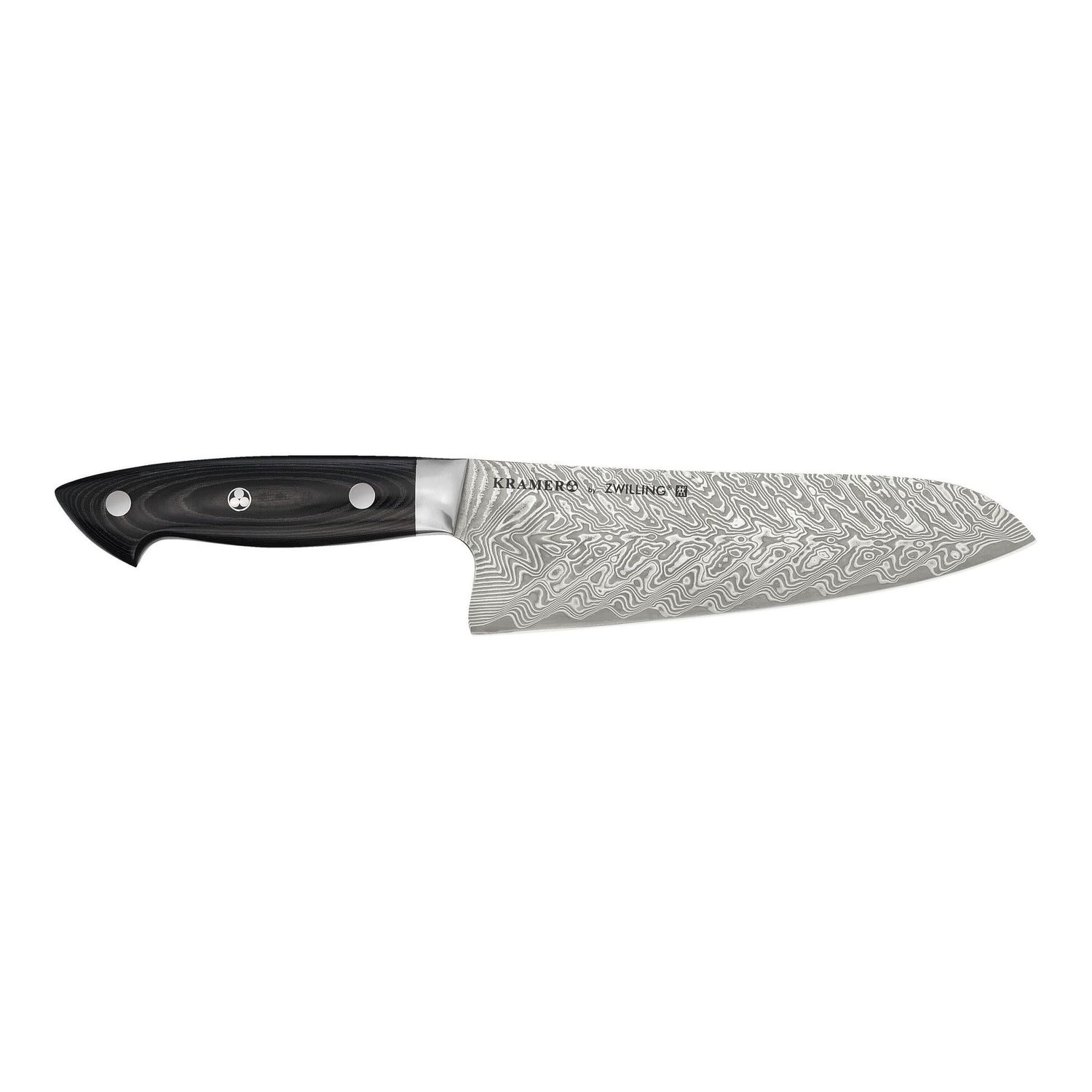
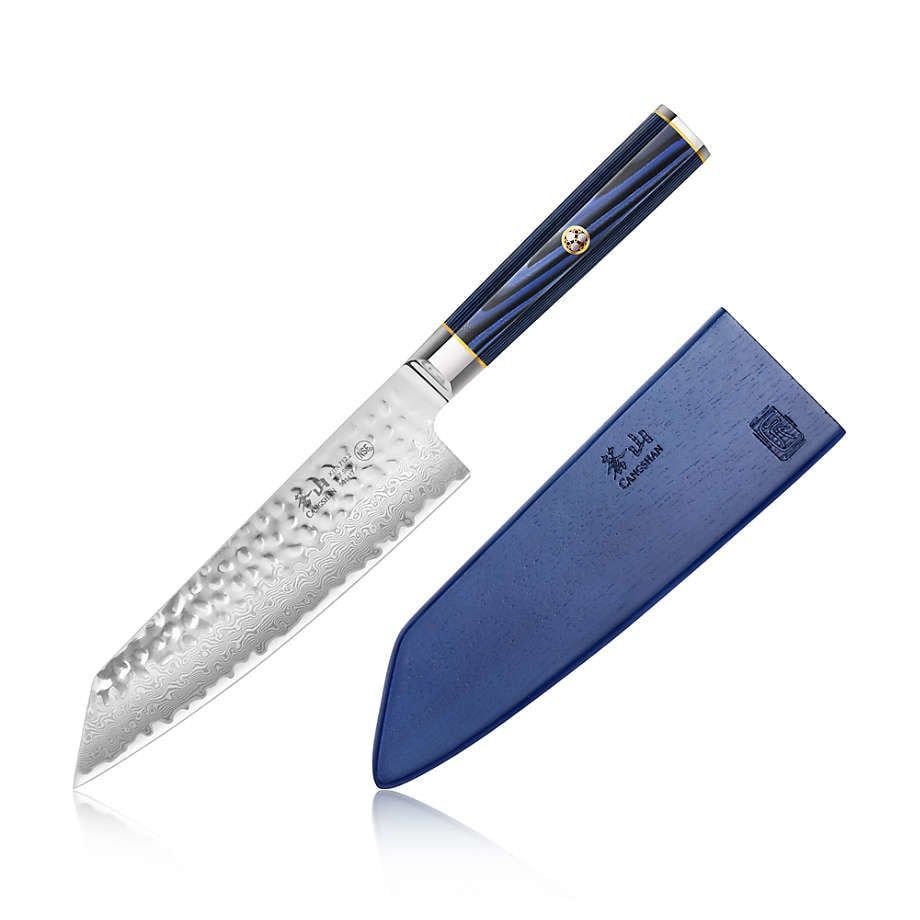
The Santoku—whose name translates to "three virtues" or "three uses"—has earned its place as one of the most popular kitchen knife styles worldwide by excelling at three essential cutting tasks: slicing, dicing, and mincing. Its distinctive design features set it apart from Western-style chef's knives while offering similar versatility with a different approach to cutting mechanics.
Key Design Features of Premium Santoku Knives
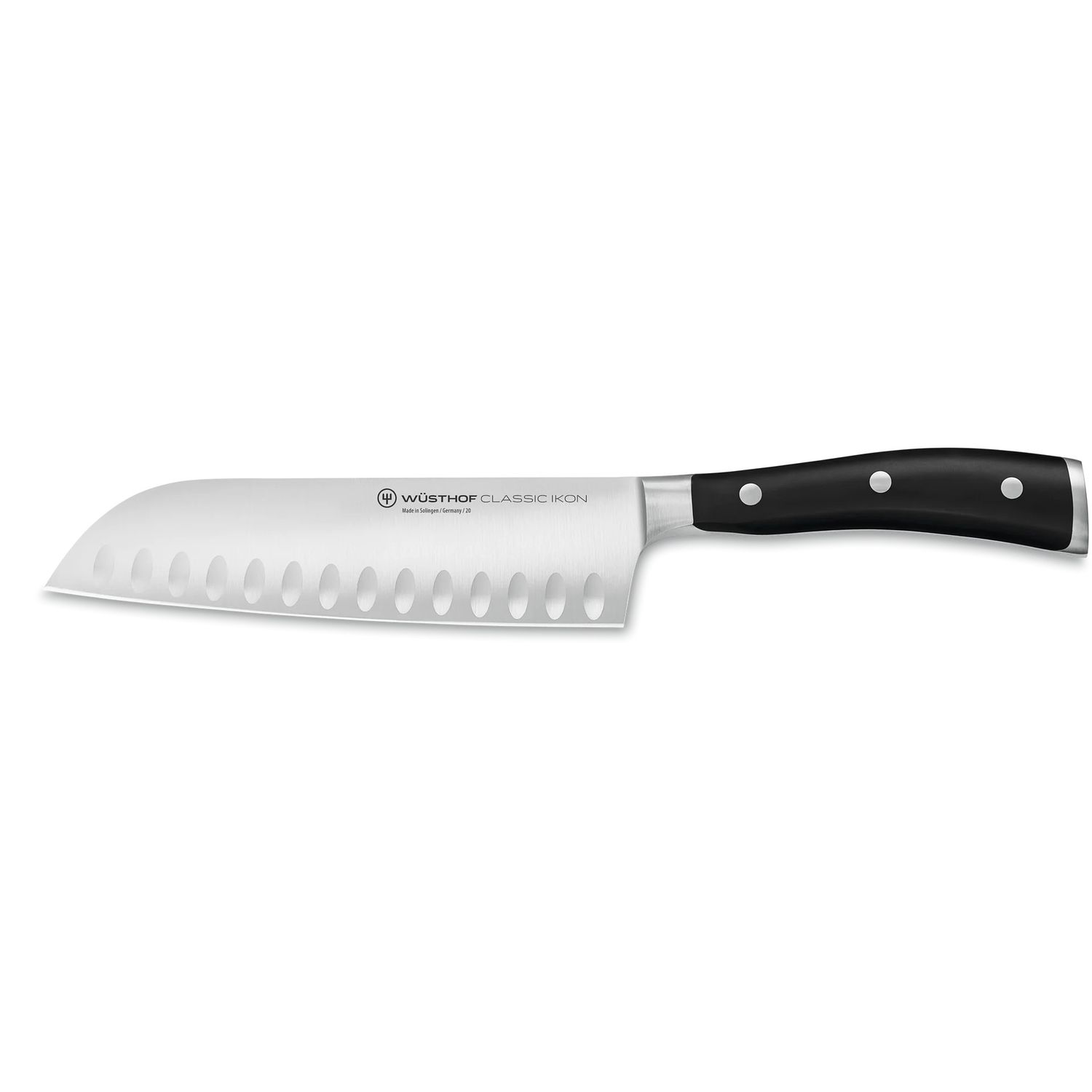
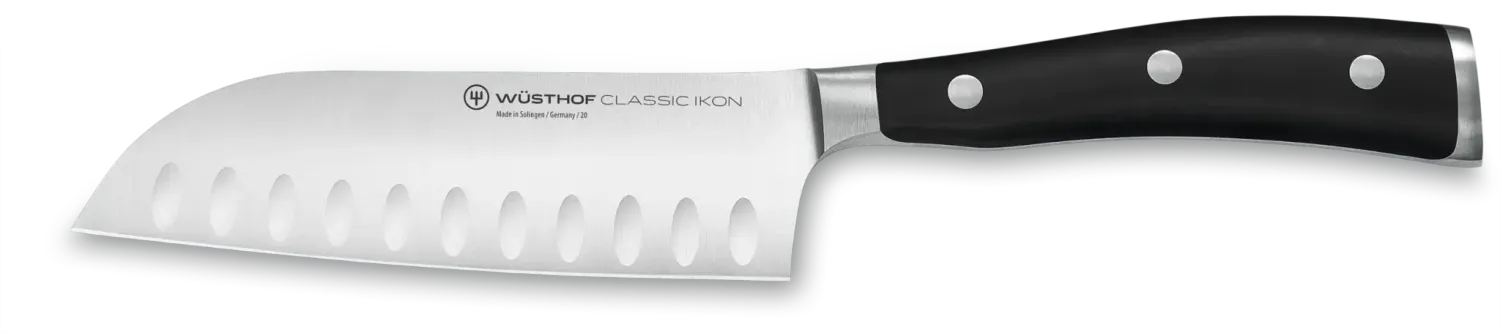
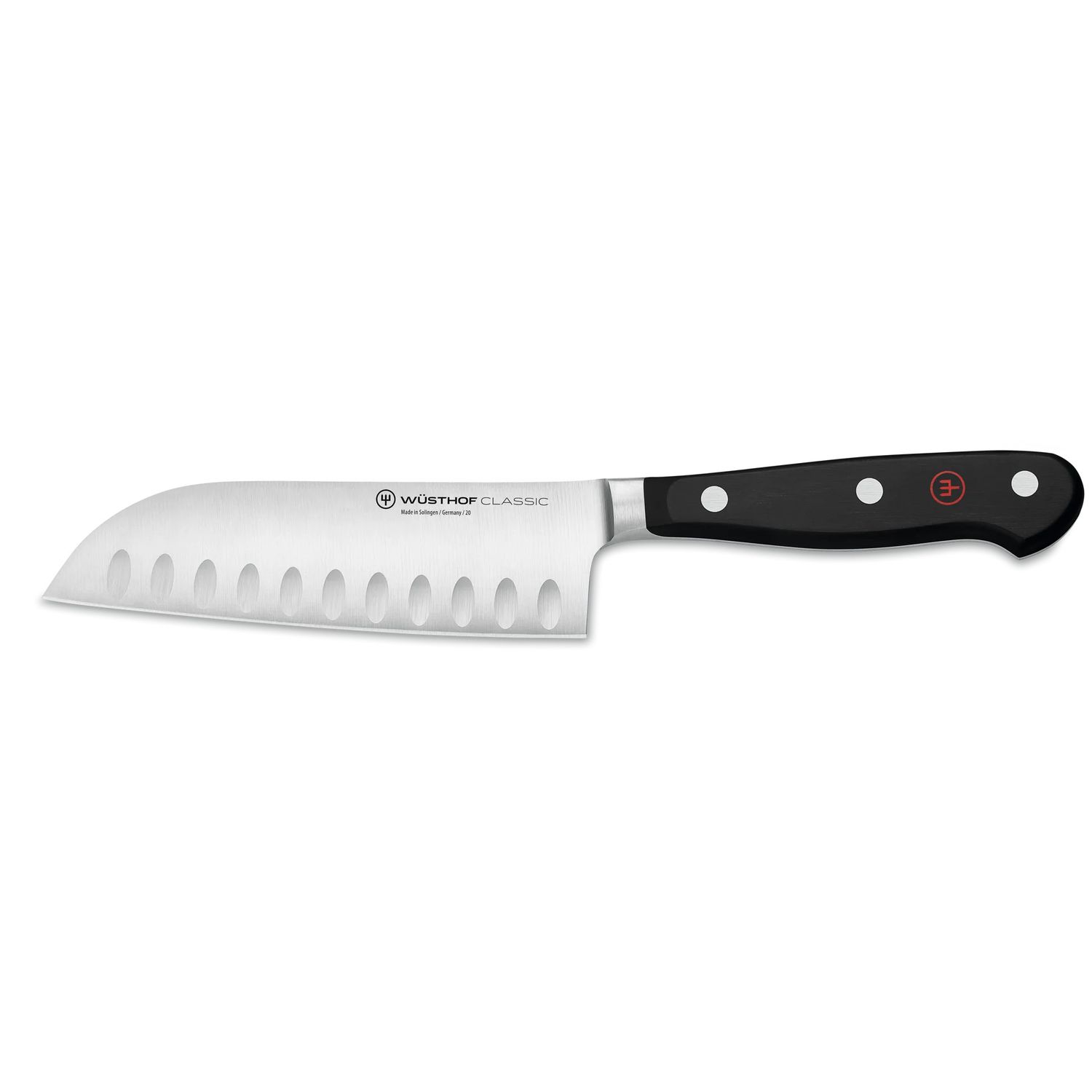
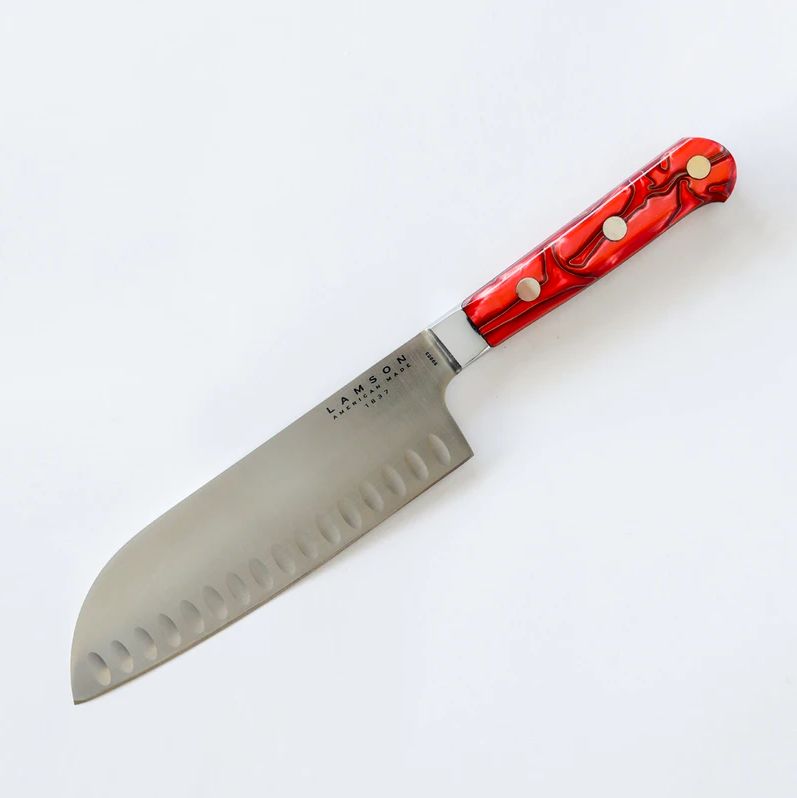
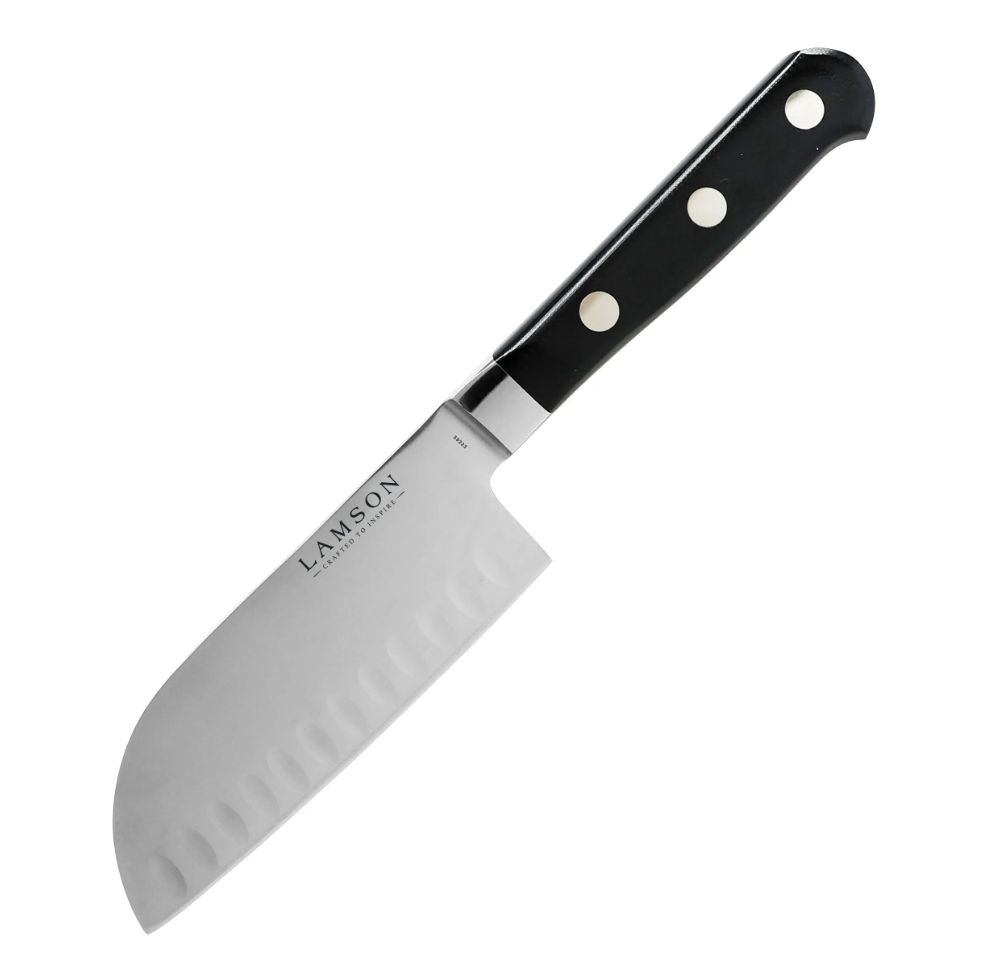
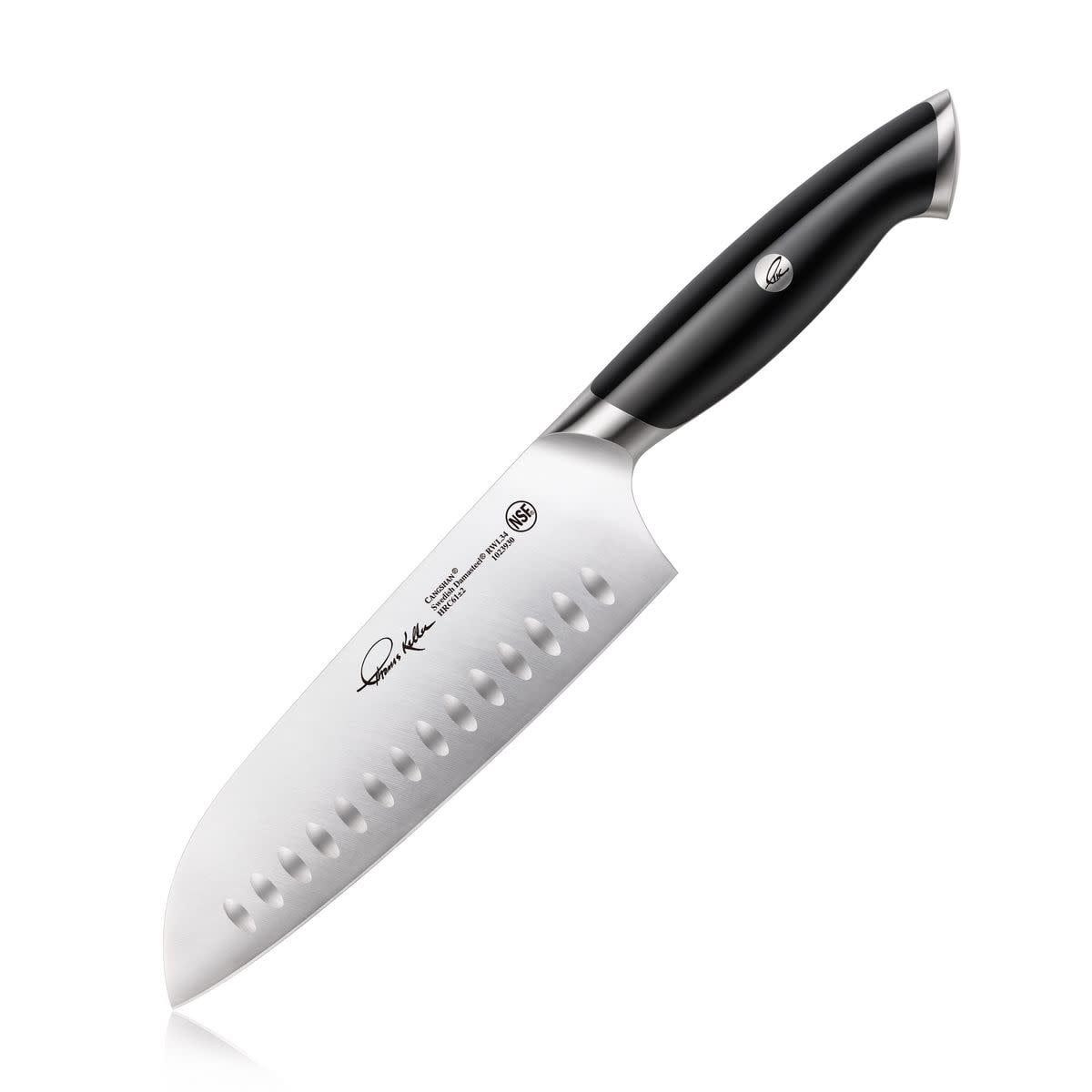
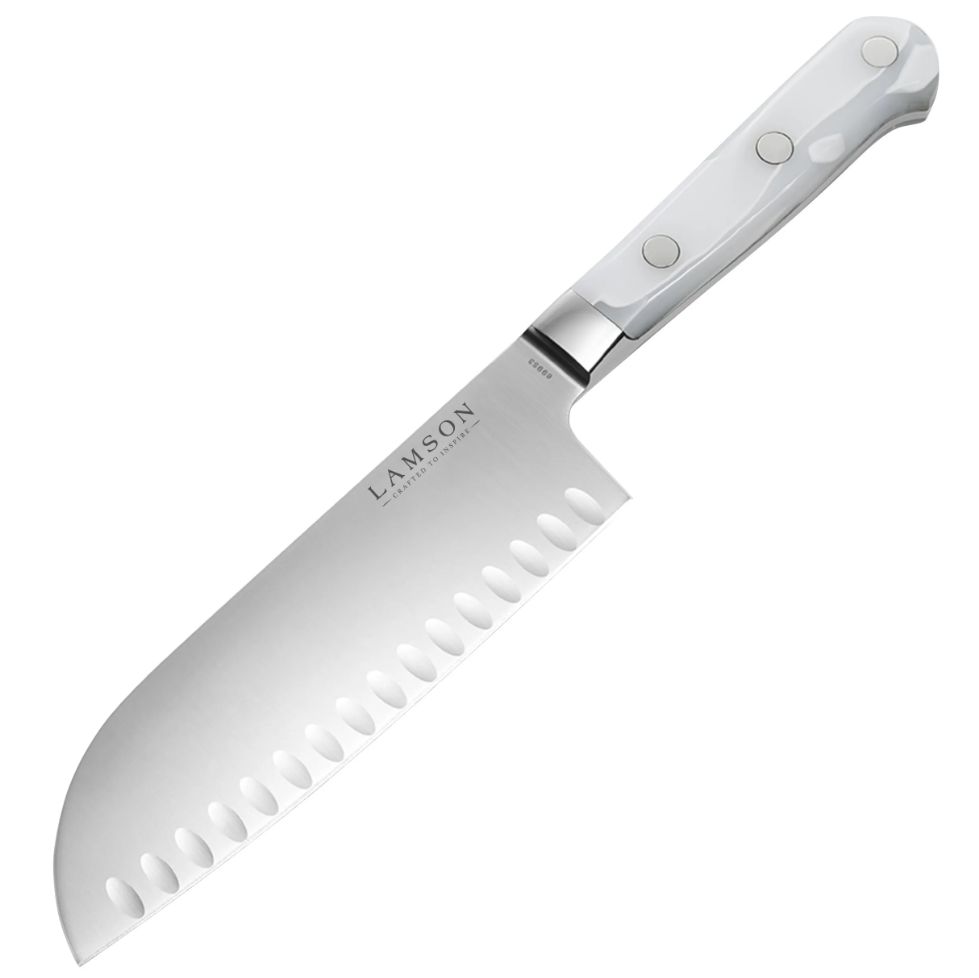
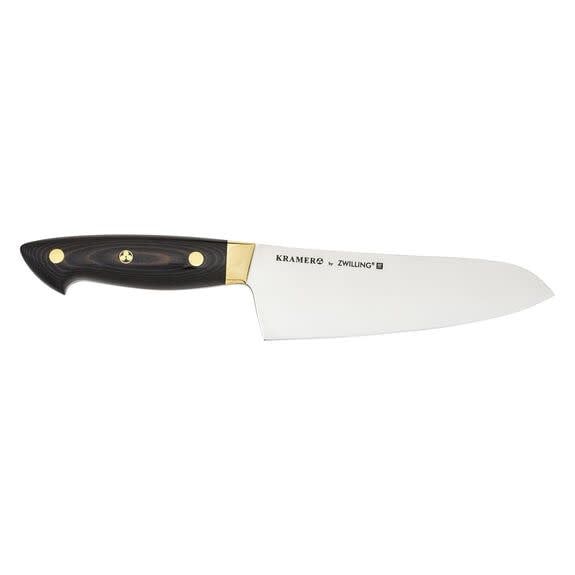
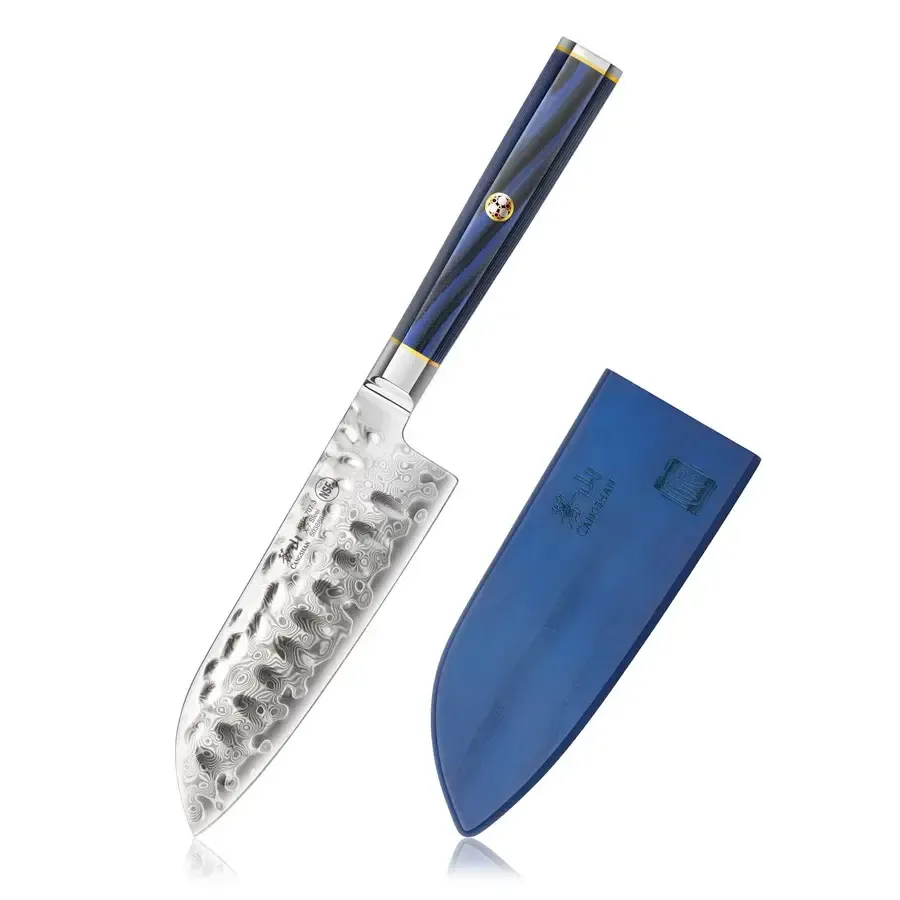
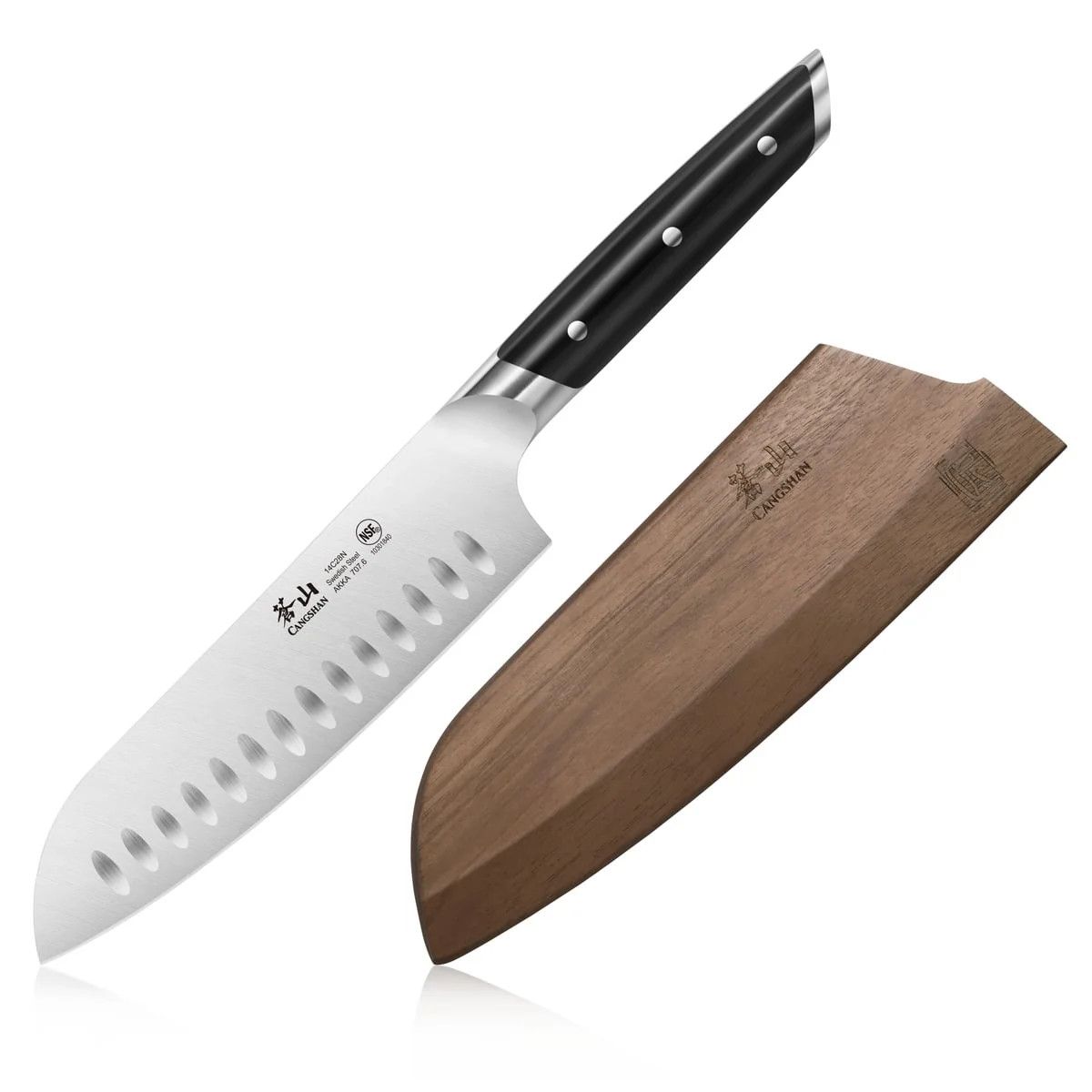
Blade Profile: Santoku knives typically feature a 5-7 inch blade with a relatively flat cutting edge and minimal curve, ending in a sheep's foot tip that curves downward. This design facilitates up-and-down chopping motions rather than the rocking cuts common with Western chef's knives.
Blade Width: The characteristically wider blade of the Santoku provides knuckle clearance during chopping and creates a convenient surface for transferring cut ingredients from cutting board to cooking vessel.
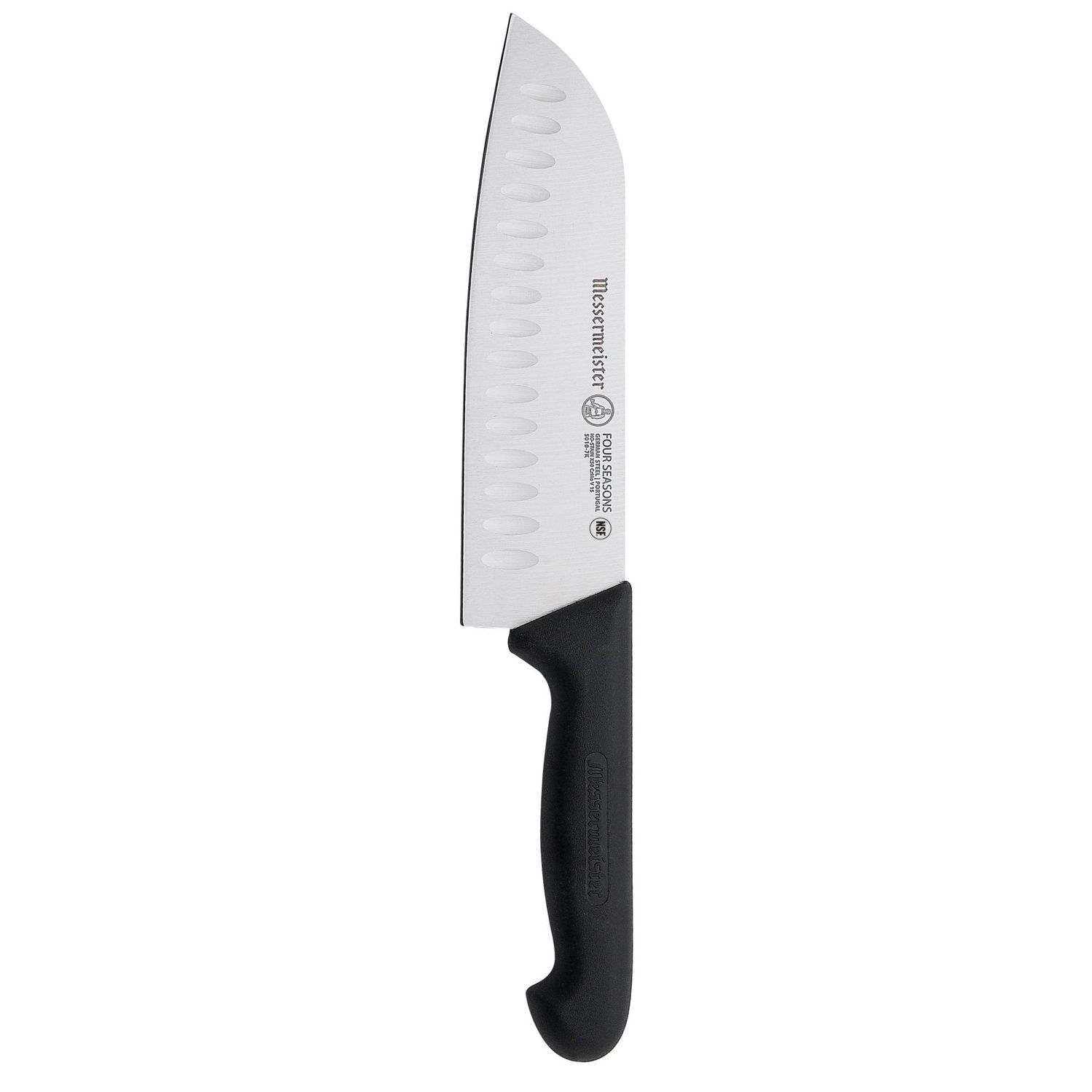
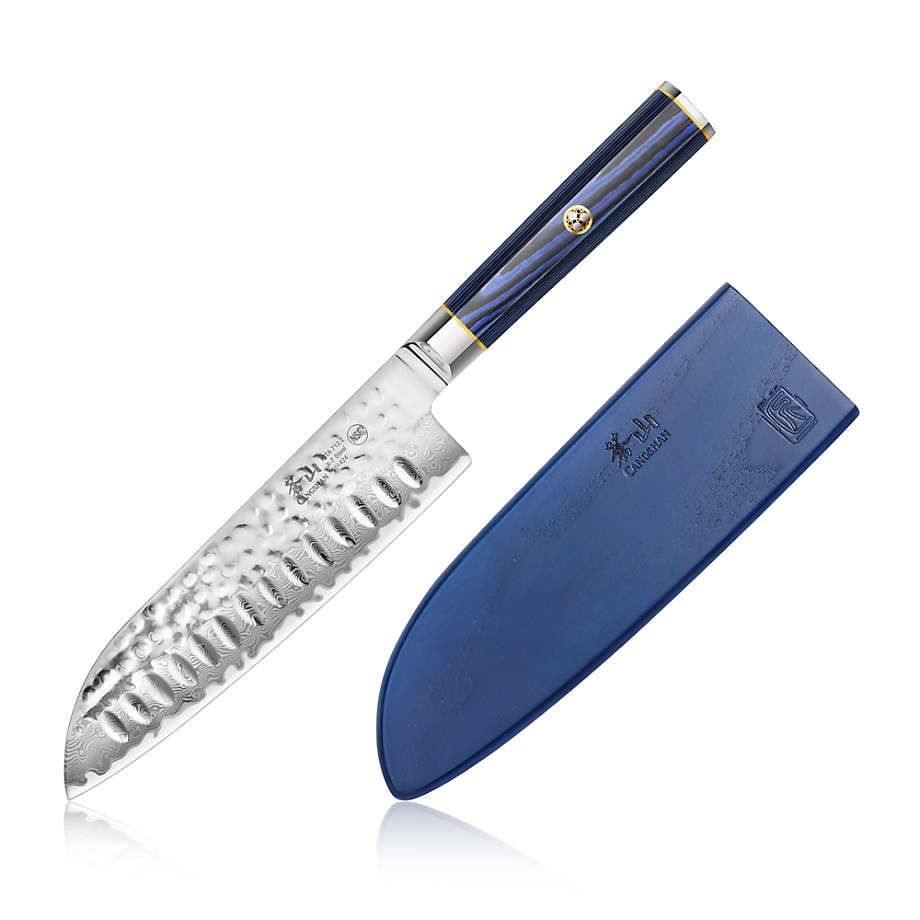
Hollow Edge/Granton Edge: Many Santoku knives feature hollow-ground divots along the blade face that create small air pockets between the knife and food, reducing friction and preventing thin slices from sticking to the blade—particularly useful when working with starchy vegetables or proteins.
Thinner Blade Construction: Compared to many Western-style knives, quality Santoku blades are typically thinner, creating cleaner cuts with less resistance and cell damage to ingredients. This results in improved food presentation and, in some cases, enhanced flavor preservation.
Balanced Weight Distribution: The best Santoku knives offer perfect balance between blade and handle, reducing fatigue during extended prep sessions while maintaining cutting precision.
Ideal Applications for Santoku Knives
The Santoku excels as an all-purpose kitchen knife with particular strengths in:
- Precision vegetable preparation: The flat blade allows for clean, consistent cuts without the need for a rocking motion
- Protein fabrication: Particularly effective for boneless meats, poultry, and fish
- Herb processing: The wide blade makes gathering and mincing herbs efficient
- Creating uniform slices: The blade geometry facilitates creating consistent thickness in sliced ingredients
For cooks with smaller hands or those who find traditional chef's knives unwieldy, a quality Santoku provides similar versatility in a more compact, manageable package that still handles most kitchen cutting tasks with ease.
Nakiri Knives: Vegetable Cutting Perfection
The Specialized Vegetable Cleaver
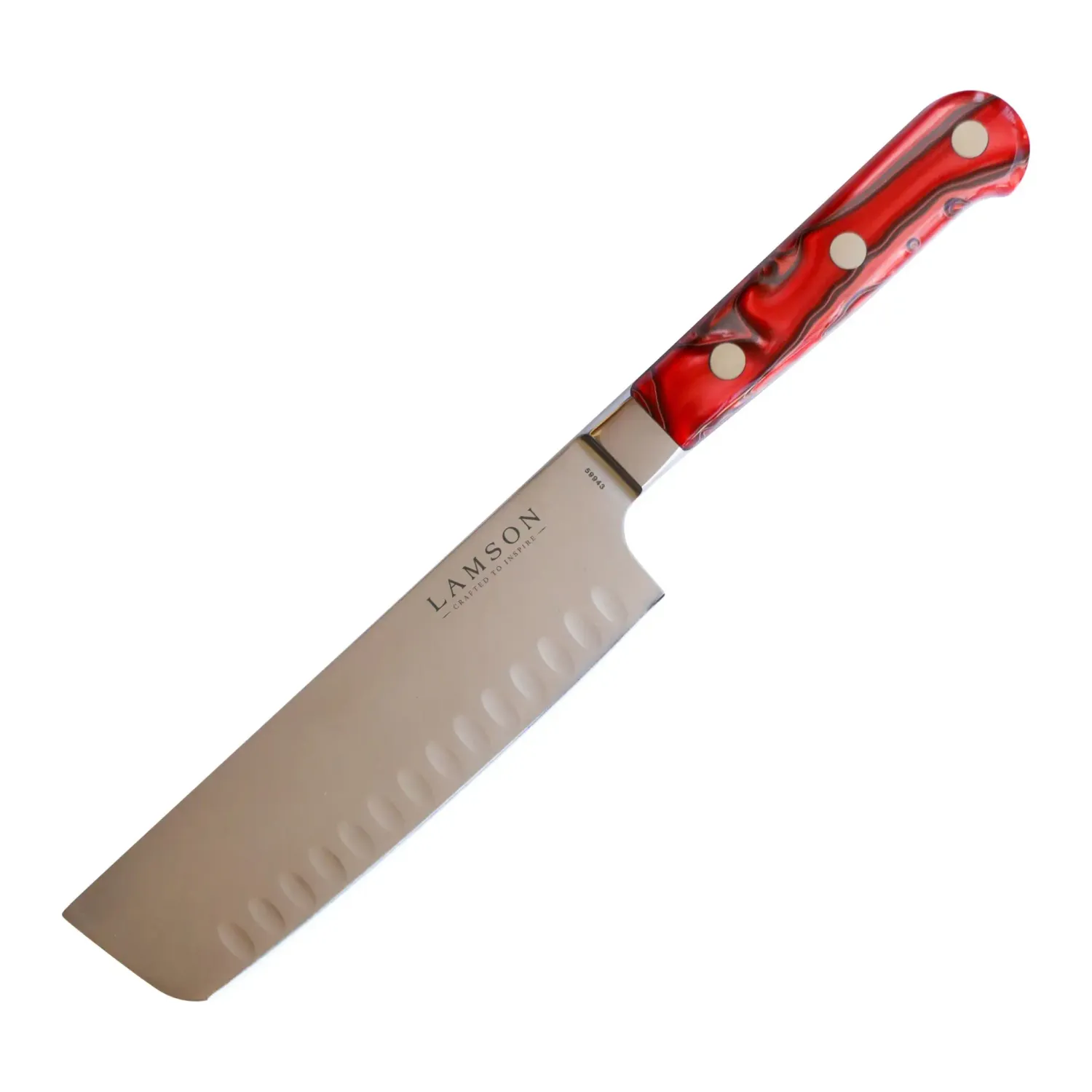
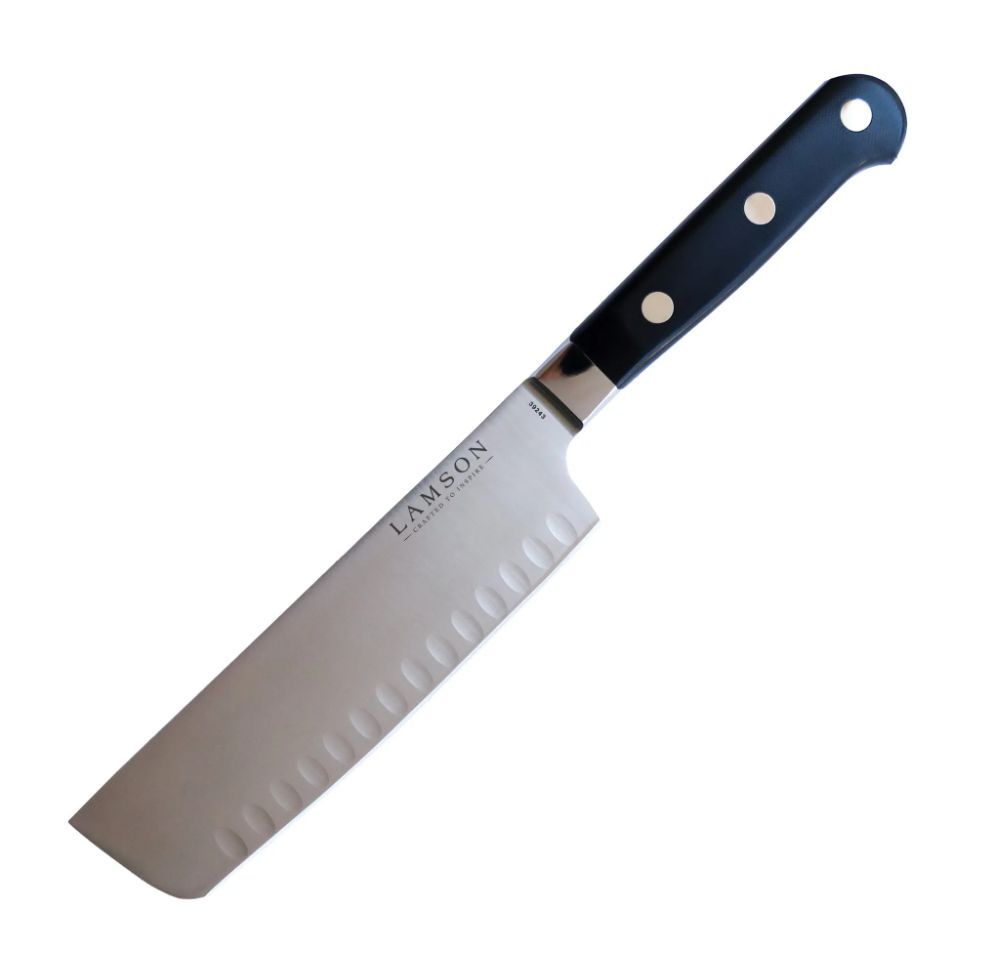
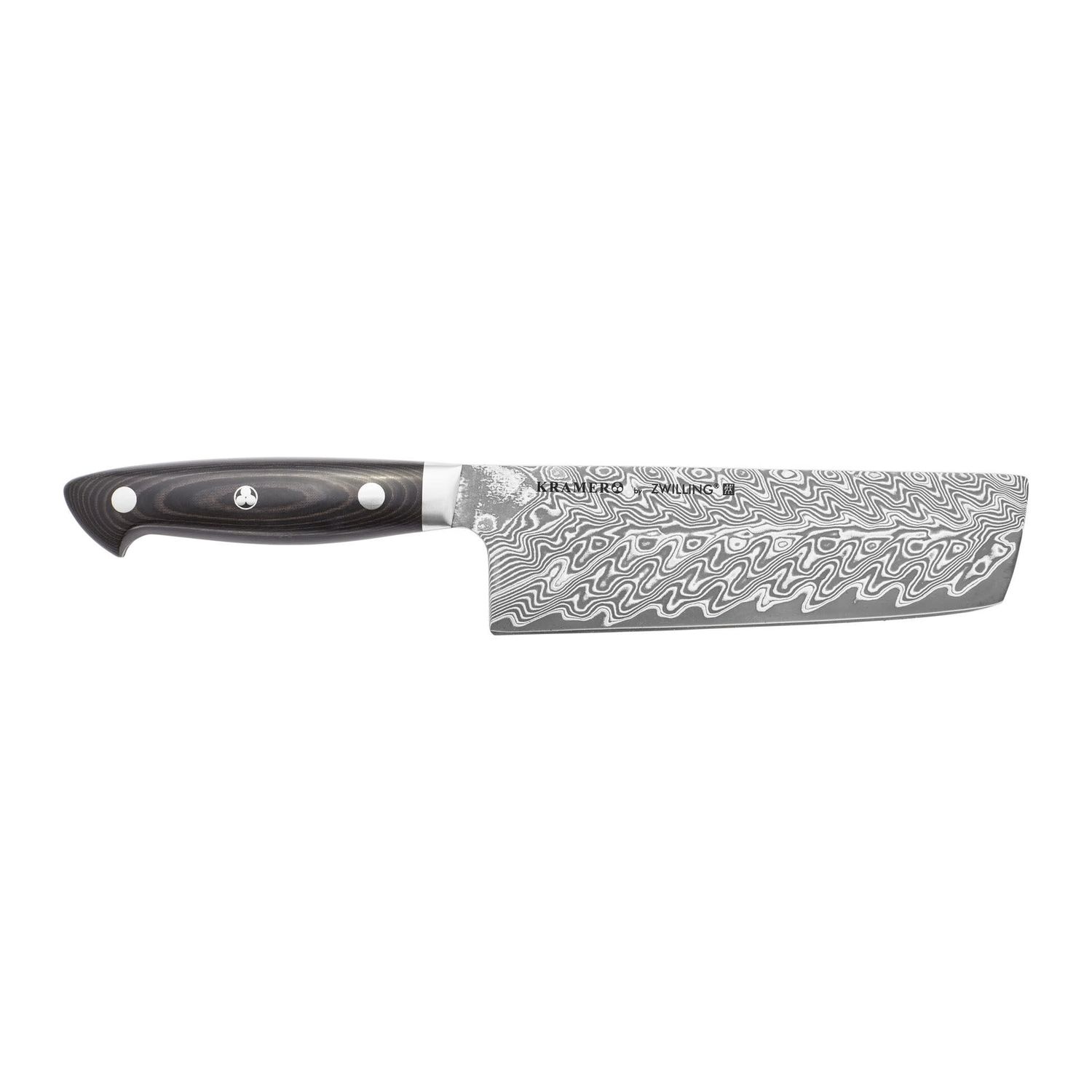
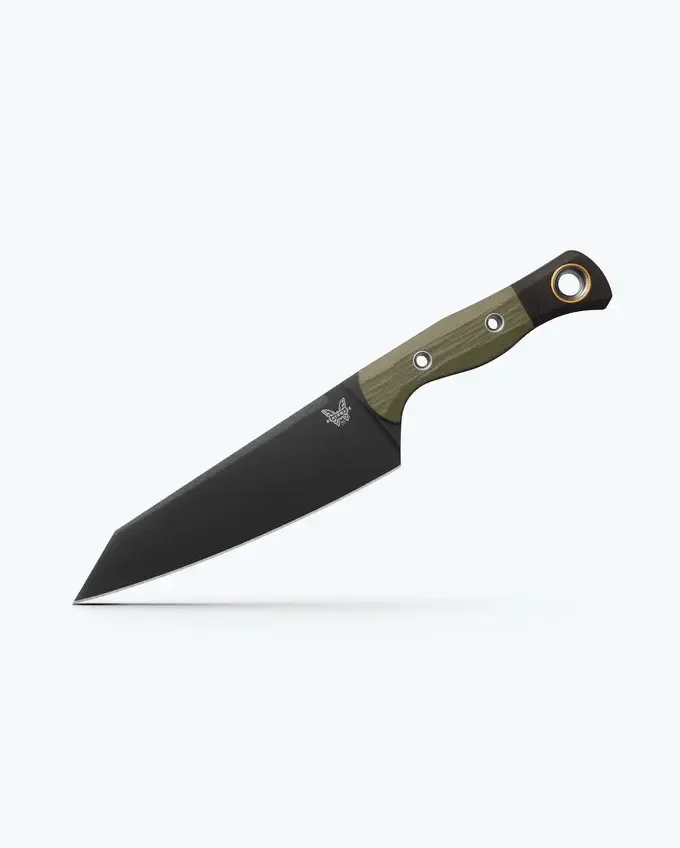
While the Santoku offers multi-purpose functionality, the Nakiri is purposefully designed for a more specialized role: vegetable preparation. With its distinctive rectangular blade shape and straight edge, the Nakiri delivers unparalleled performance when processing plant-based ingredients of all types.
Essential Characteristics of Quality Nakiri Knives
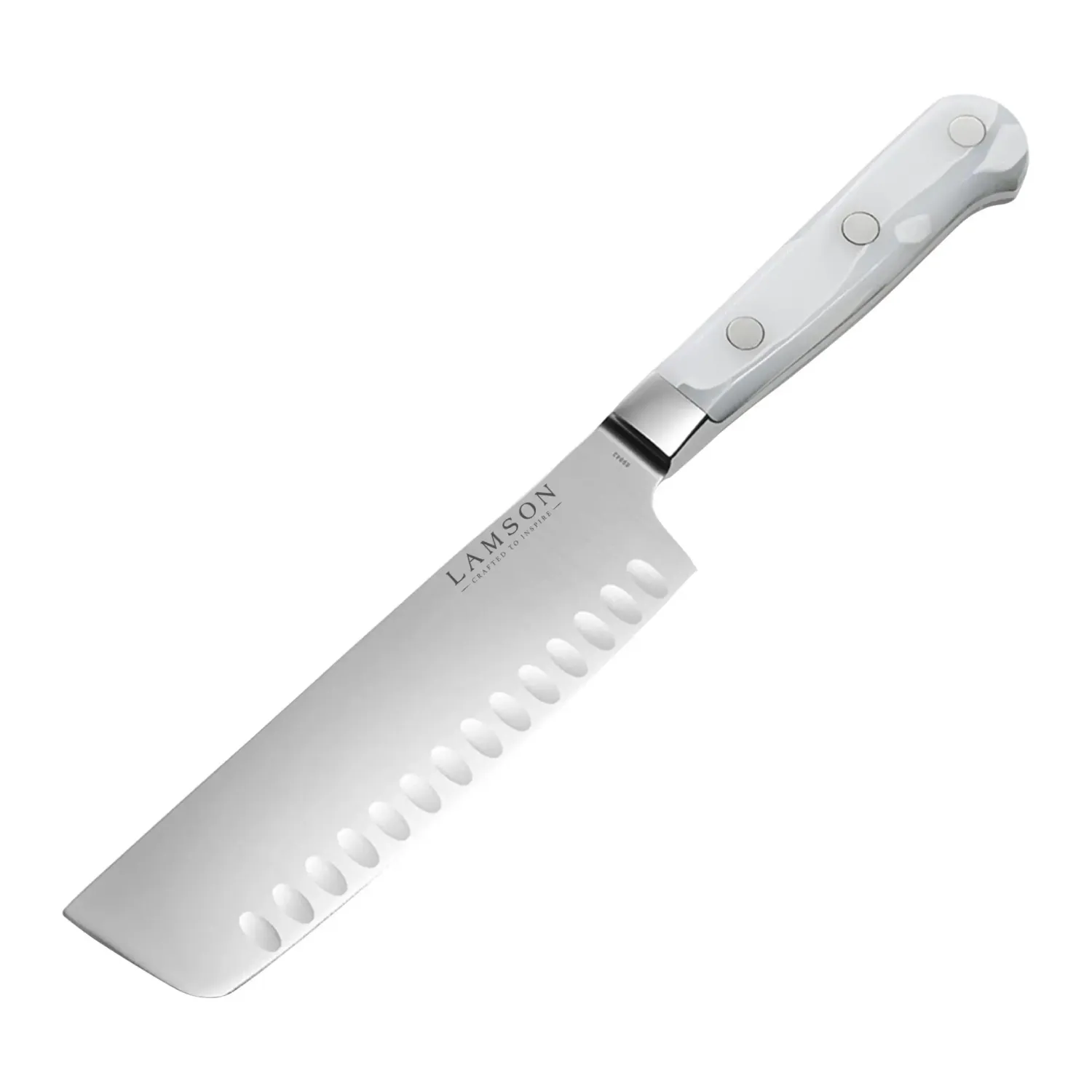
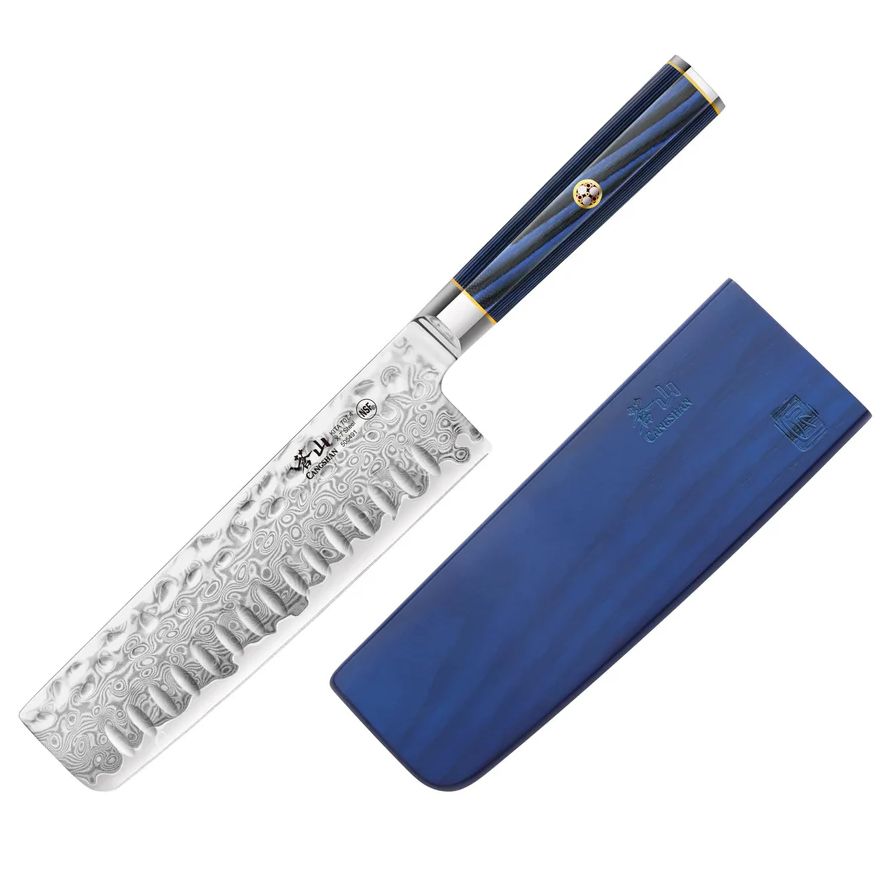
Rectangular Blade Profile: The signature shape of the Nakiri features a straight, flat cutting edge and squared-off tip, creating a knife designed exclusively for up-and-down chopping rather than rocking cuts.
Thin Blade Construction: Premium Nakiri knives feature exceptionally thin blades that slice through vegetables with minimal resistance, creating clean cuts that preserve cellular integrity and reduce oxidation on cut surfaces.
Double-Bevel Edge: Unlike some traditional Japanese knives with single-bevel edges, most Nakiri knives feature symmetrical double-beveled edges that make them accessible to both right and left-handed users without specialized cutting techniques.
Lightweight Design: Quality Nakiri knives combine thin blades with balanced handles to create lightweight cutting tools that reduce fatigue during extended vegetable preparation sessions.
High Hardness Steel: The best Nakiri knives utilize high-carbon steels capable of achieving and maintaining extremely acute edge angles, facilitating the paper-thin slicing for which these knives are renowned.
Perfect Applications for Nakiri Knives
The Nakiri demonstrates its specialized excellence when:
- Processing large volumes of vegetables: The efficient up-and-down cutting motion makes quick work of substantial vegetable quantities
- Creating uniform, thin slices: The straight edge ensures consistent thickness from one end of an ingredient to the other
- Preparing leafy greens: The thin, sharp blade cleanly cuts delicate leaves without bruising
- Julienning or brunoise cutting: The precise control facilitates creating exact dimensions for fine knife work
- Working with root vegetables: The straight edge cuts cleanly through dense vegetables without requiring excess force
For plant-forward cooking styles or chefs who regularly prepare substantial quantities of vegetables, the Nakiri represents an investment in efficiency and improved results.
Premium Blade Materials in Our Collection
Our Santoku and Nakiri selection showcases exceptional blade materials that balance performance, maintenance requirements, and value:
VG-10 Stainless Steel: This premium Japanese stainless steel achieves exceptional hardness (60-62 HRC) while maintaining excellent corrosion resistance and edge stability, making it ideal for the thin blades typical of these knife styles.
SG2/R2 Powdered Metallurgy Steel: These cutting-edge materials represent the pinnacle of kitchen knife steel, offering extraordinary edge retention, wear resistance, and consistent performance through advanced manufacturing techniques.
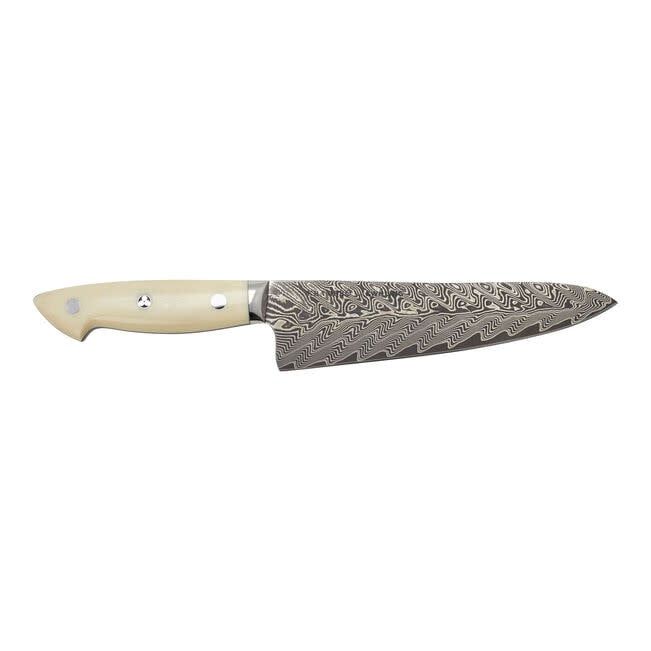
Damascus-Clad Construction: Many premium Santoku and Nakiri knives feature hard cutting core steels clad with softer, decorative Damascus layers, creating both stunning visual appeal and practical benefits in reduced sticking and maintenance.
High-Carbon White and Blue Steels: For traditionalists, our collection includes options crafted from these classic Japanese carbon steels renowned for their exceptional sharpness and edge retention, though requiring more attentive maintenance.
Each blade material offers distinct advantages, and our product descriptions include detailed information about the specific characteristics and care requirements to help you select the perfect match for your cutting style and maintenance preferences.
Ergonomic Handle Designs for Extended Comfort
The finest blade is only as effective as the handle that controls it. Our Santoku and Nakiri collection features ergonomically optimized handle designs in various materials:
Traditional Japanese Wa-Handles: These lightweight, often octagonal handles are crafted from natural materials like magnolia wood or horn, creating authentic aesthetic appeal with practical benefits in weight reduction and balance.
Western-Style Handles: Featuring full-tang construction and contoured shapes that provide secure grip during use, these handles often incorporate synthetic materials for durability and easy maintenance.
Hybrid Designs: Many contemporary Santoku and Nakiri knives feature innovative handle designs that combine elements from multiple traditions, optimizing both comfort and control.
The ideal handle choice depends on your personal grip style, hand size, and aesthetic preferences—all factors we're happy to discuss when helping you select your perfect knife.
Caring for Your Santoku or Nakiri Knife
To maintain the exceptional performance of these specialized Japanese-inspired knives, we recommend:
- Hand washing only: Never place these premium knives in a dishwasher, as the harsh detergents and mechanical action can damage both blade and handle
- Immediate cleaning after use: Particularly important for high-carbon steel varieties to prevent corrosion and staining
- Proper storage: Use blade guards, knife blocks, or magnetic strips to protect edges from contact with other utensils
- Appropriate cutting surfaces: Always use wood, rubber, or soft plastic cutting boards that won't damage the thin, hard edges of these knives
- Regular honing and sharpening: Maintain your knife's performance with appropriate maintenance tools and techniques
With proper care, the Santoku and Nakiri knives in our collection will provide decades of exceptional cutting performance.
Expand Your Kitchen Cutlery Collection
While Santoku and Nakiri knives offer exceptional performance for many kitchen tasks, a complete culinary toolkit includes specialized blades for specific applications. Explore our full Kitchen Cutlery collection to discover complementary cutting tools:
- Chef's Knives - Versatile workhorses for general kitchen cutting tasks
- Paring Knives - Precision blades for detailed cutting and in-hand work
- Carving & Meat Knives - Specialized designs for perfect meat slicing
- Bread Knives - Serrated edges for clean slicing of crusty breads
- Specialty Knives - Task-specific designs for unique cutting challenges
- Knife Sets - Comprehensive collections with matching aesthetics
- Japanese Cutlery - Explore the full range of traditional Japanese knife styles
Elevate Your Culinary Experience
A premium Santoku or Nakiri knife transforms vegetable preparation from tedious chore to satisfying craft, delivering clean, precise cuts that enhance both presentation and flavor. Whether you choose the versatile capabilities of a Santoku or the vegetable-focused excellence of a Nakiri, these Japanese-inspired designs represent thoughtful evolution in kitchen knife technology that addresses specific culinary needs with elegant solutions.
Browse our carefully curated collection to discover the Santoku or Nakiri knife that perfectly complements your cooking style, ingredient preferences, and aesthetic sensibilities. Experience the difference that exceptional cutting tools make in your daily culinary adventures.